

| Protease Inhibitor Cocktail (100X) | |
| Features | EDTA free | Suitable for extracting protein from mammalian cells and tissues |
| Usage notes | haw at room temperature, add at 1:100 (v/v) dilution to solution samples (such as cell lysates or tissue extracts) before assaying. |
| Storage buffer | This protease inhibitor cocktail is supplied as a ready-to-use solution in DMSO. |
| Storage | Stable for at least one year at -20°C from date of shipment. Avoid freeze-thaw or centrifugation |
| Description | This universal protease inhibitor cocktail contains individual components, including AEBSF, Aprotinin, Bestatin, E-64, Leupeptin and Pepstatin A with a broad specificity for cysteine, serine, acid proteases, and aminopeptidases. This protease inhibitor cocktail has been optimized and tested for mammalian cells and tissue extracts. This protease inhibitor cocktail is supplied as a ready-to-use solution in DMSO without EDTA. |
| Pack Size | 1ml/1ml×5 |
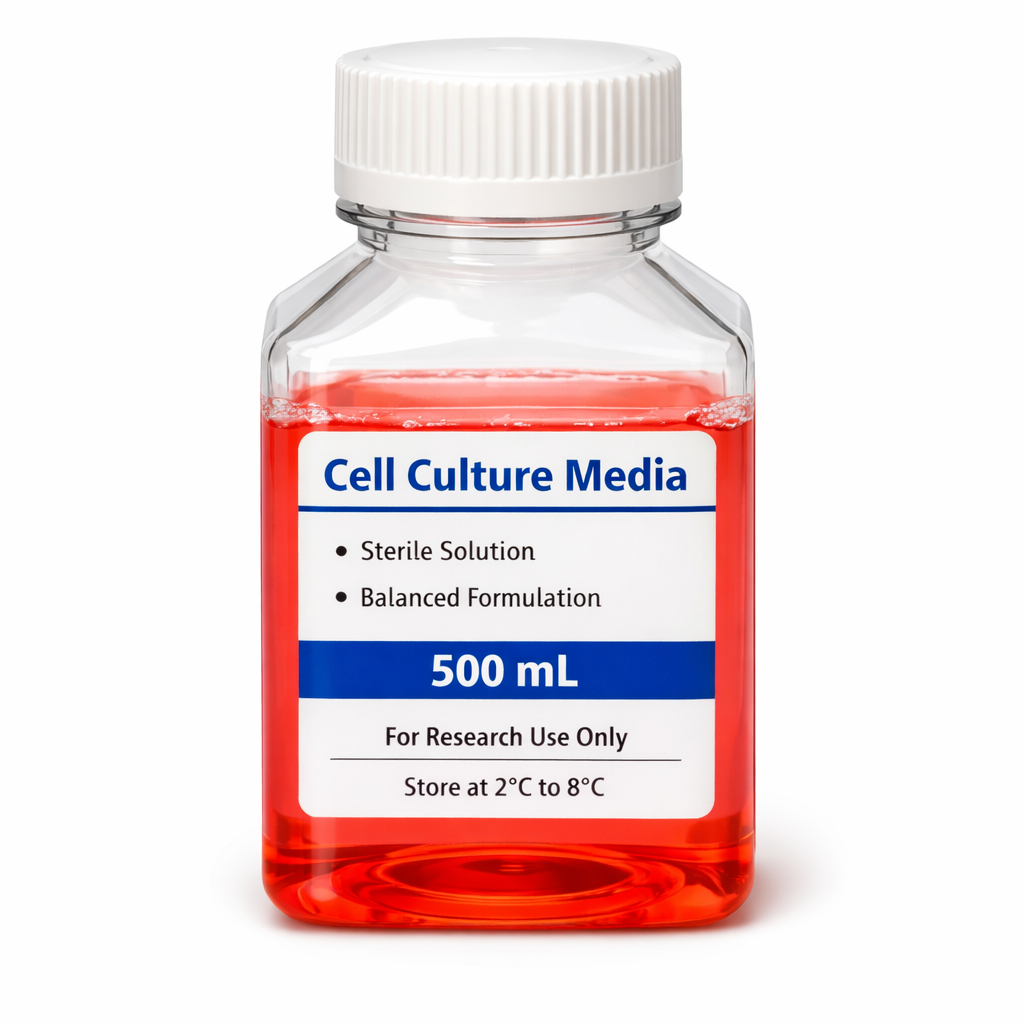
Protease Inhibitor Cocktail (100X)
| Catalogue No | BSBR-1001 |
| Formulation | Liquid solution |
| Solution | DMSO |
| Price | POR |
Endogenous proteins are produced and degraded in a balanced state, so their cellular levels are stable under stable environmental conditions. Crude cell extracts contain a number of endogenous enzymes, such as phosphatases and proteases, which are capable of degrading proteins in the extracts. Protein production is greatly halted and degradation is increased when proteins are extracted from cells and tissues in vitro. The best way to increase the yield of intact proteins is to add inhibitors of those enzymes known to be present. Protease inhibitors are tremendously valuable and useful reagents for researchers who want to inhibit general degradation of proteins in tissue or cell extracts by endogenous proteases, or to investigate particular processes that involve blocking the activity of specific proteases
Protease Inhibitor Cocktail is an universal protease inhibitor cocktail contains individual components, including AEBSF, Aprotinin, Bestatin, E-64, Leupeptin and Pepstatin A with a broad specificity for cysteine, serine, acid proteases, and aminopeptidases. This protease inhibitor cocktail has been optimized and tested for mammalian cells and tissue extracts.